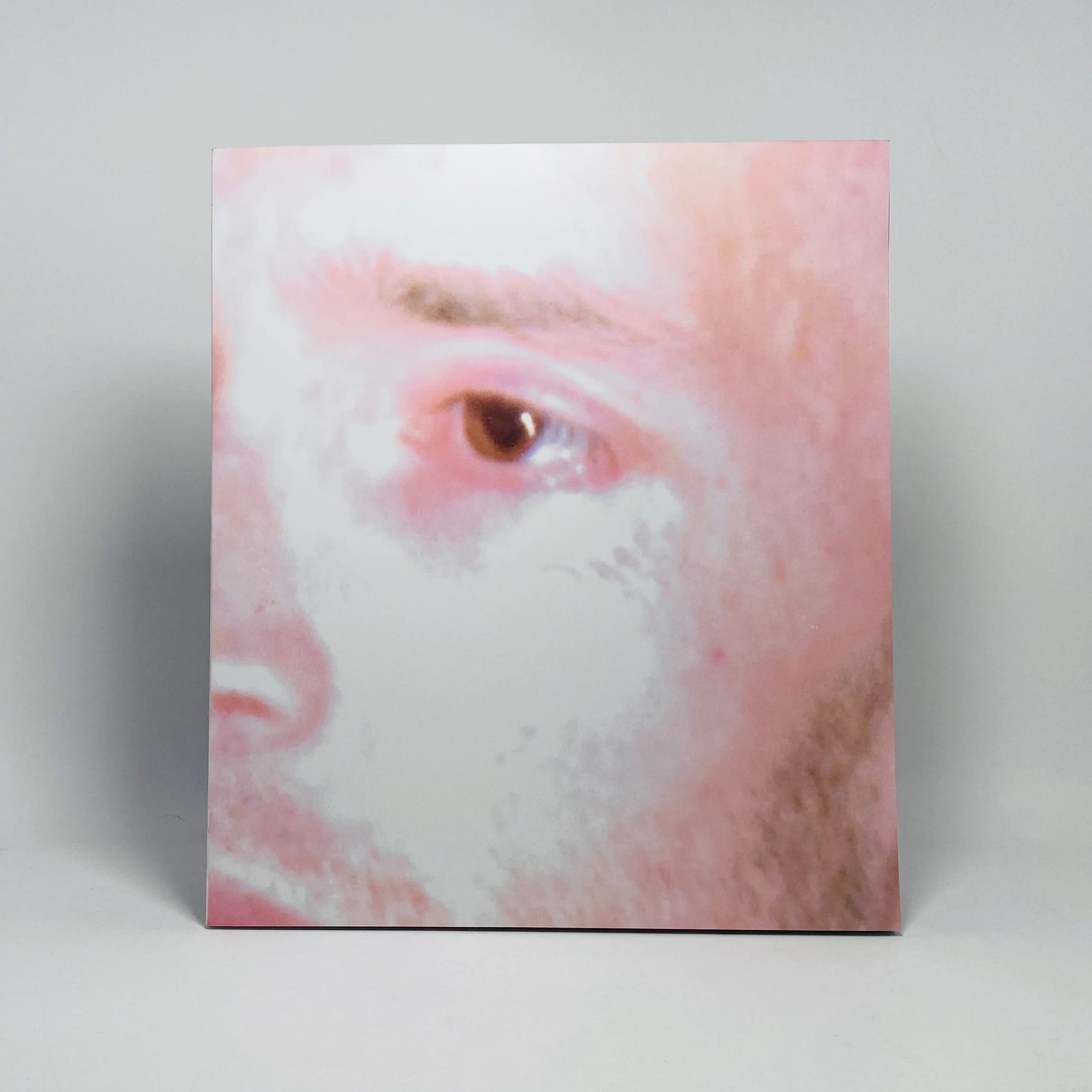
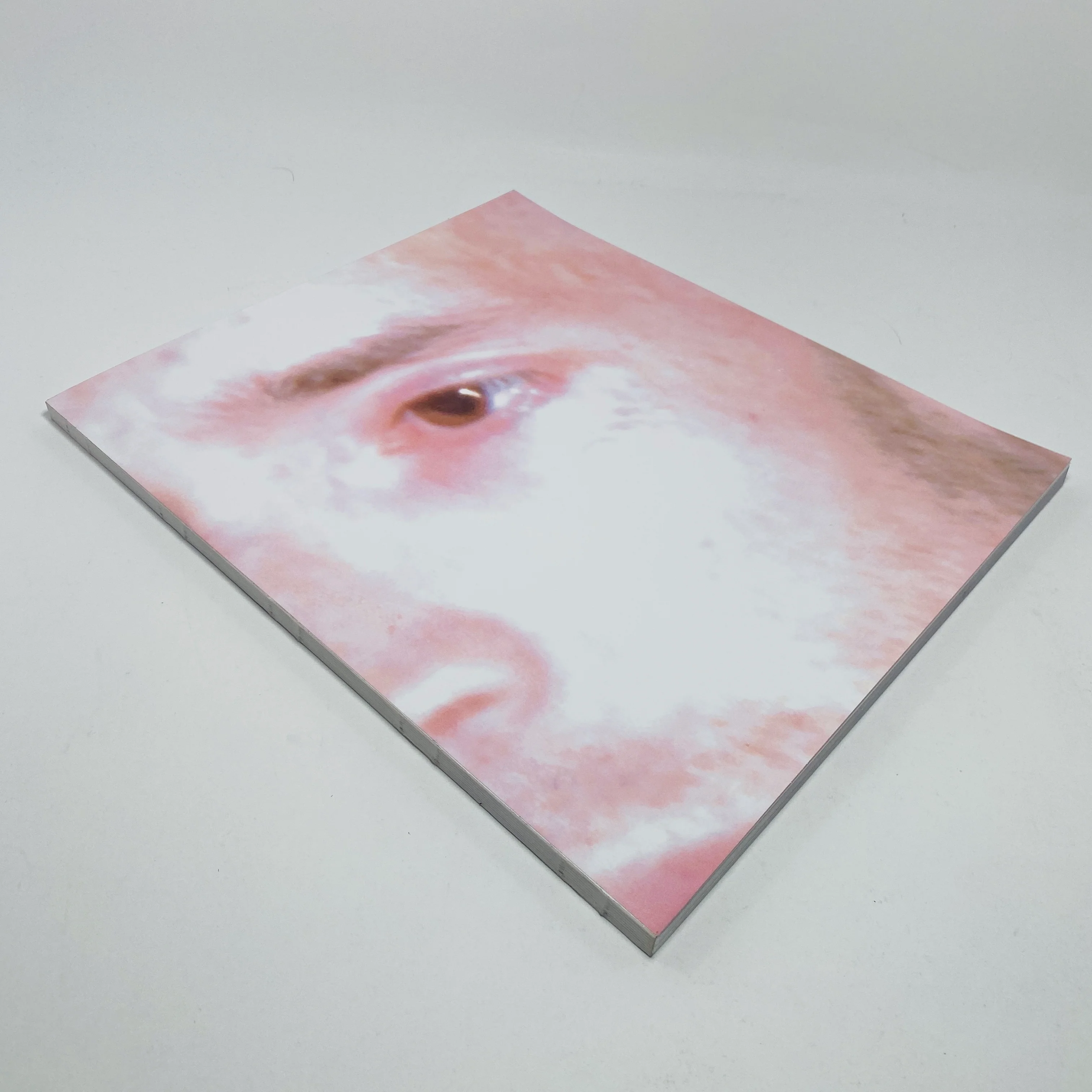
Mousse #93 - Fall 2025
Mousse #93 - Fall 2025
Dear readers,
Let’s take a walk through the recent past. In 1992, on the occasion of the Columbus quincentenary, Coco Fusco and Guillermo Gómez-Peña toured the United States, Europe, Argentina, and Australia performing as a couple of “undiscovered Amerindians” from the (fictional) island of Guatinau (“what now”) in the Gulf of Mexico, putting themselves on public display behind the bars of a gilded cage, accompanied by (fictional) taxonomic plaques. The artists later recalled that some people in the audience believed their satirical ethnographic exhibit was real, and reacted with varying degrees of discomfort—and/or lack thereof. A year later, Fusco contributed to the catalogue of the contested 1993 Whitney Biennial with an essay titled “Passionate Irreverence: The Cultural Politics of Identity,” in which she reflected on whose museums and whose aesthetics were actually then under scrutiny or entirely barred from view, in times of culture wars—or wars, full stop, when “some nations exist without a place, while others exist only through authoritarian enforcement.”
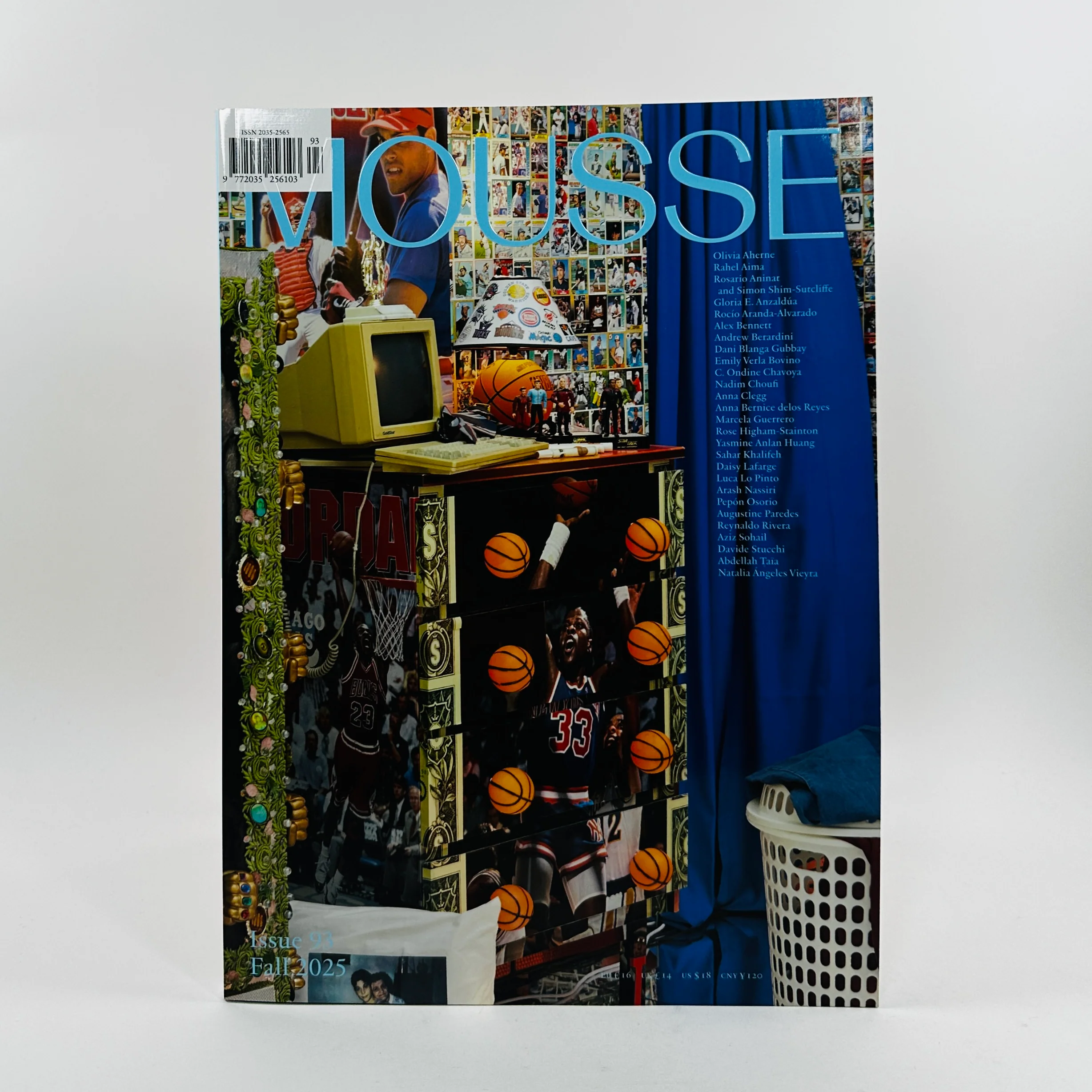
Fusco also discussed one of the works included in the biennale, Scene of the Crime (Whose Crime?) (1993) by Pepón Osorio, the subject of our Survey. It was an installation targeting the mediatized construction of stereotypes, which was met by some viewers at the time with hostility, even rage. In her essay in this issue, Rocío Aranda-Alvarado writes that Osorio’s oeuvre provokes “identification, rejection, empathy.” It fosters conditions of proximity and intimacy with other humans and their worlds, moving past the barriers of monocultural assumptions. It performs an effort “to agitate gender and racial inscriptions,” as beautifully framed by queer scholar, cultural theorist, writer, poet, and social justice activist Gloria E. Anzaldúa, the protagonist of our Thinkers column.
Fusco’s essay opened with a poem, still disparagingly perfect:
Dream about the future of your America / Euro America / Your America / Su América / Suya / Sudamérica / Suda y sangra / Latinoamérica despierta / Hispanoamérica dormida / Iberoamérica borracha / querido, bórrame del mapa / adónde estoy? / adónde estamos? / Estamos Undidos en América / Estar dos Unidos / Estar dos Sumidos / el uno en el otro / el Norte / en el Sur / el Este / en el Oeste / Europa / Asia Africa / América / where Chingados are we?1
And now, where the hell are we now? How uncomfortable can human relations with the actuality of violence keep becoming?
A final parting quote, from the conversation herein between artist Reynaldo Rivera and writer Abdellah Taïa: “Love doesn’t mean anything by itself. We create its meaning by the shit that happens to us. It’s a collective experience. So how do you love?”
Mousse
Description
Mousse #93 - Fall 2025
Dear readers,
Let’s take a walk through the recent past. In 1992, on the occasion of the Columbus quincentenary, Coco Fusco and Guillermo Gómez-Peña toured the United States, Europe, Argentina, and Australia performing as a couple of “undiscovered Amerindians” from the (fictional) island of Guatinau (“what now”) in the Gulf of Mexico, putting themselves on public display behind the bars of a gilded cage, accompanied by (fictional) taxonomic plaques. The artists later recalled that some people in the audience believed their satirical ethnographic exhibit was real, and reacted with varying degrees of discomfort—and/or lack thereof. A year later, Fusco contributed to the catalogue of the contested 1993 Whitney Biennial with an essay titled “Passionate Irreverence: The Cultural Politics of Identity,” in which she reflected on whose museums and whose aesthetics were actually then under scrutiny or entirely barred from view, in times of culture wars—or wars, full stop, when “some nations exist without a place, while others exist only through authoritarian enforcement.”
Fusco also discussed one of the works included in the biennale, Scene of the Crime (Whose Crime?) (1993) by Pepón Osorio, the subject of our Survey. It was an installation targeting the mediatized construction of stereotypes, which was met by some viewers at the time with hostility, even rage. In her essay in this issue, Rocío Aranda-Alvarado writes that Osorio’s oeuvre provokes “identification, rejection, empathy.” It fosters conditions of proximity and intimacy with other humans and their worlds, moving past the barriers of monocultural assumptions. It performs an effort “to agitate gender and racial inscriptions,” as beautifully framed by queer scholar, cultural theorist, writer, poet, and social justice activist Gloria E. Anzaldúa, the protagonist of our Thinkers column.
Fusco’s essay opened with a poem, still disparagingly perfect:
Dream about the future of your America / Euro America / Your America / Su América / Suya / Sudamérica / Suda y sangra / Latinoamérica despierta / Hispanoamérica dormida / Iberoamérica borracha / querido, bórrame del mapa / adónde estoy? / adónde estamos? / Estamos Undidos en América / Estar dos Unidos / Estar dos Sumidos / el uno en el otro / el Norte / en el Sur / el Este / en el Oeste / Europa / Asia Africa / América / where Chingados are we?1
And now, where the hell are we now? How uncomfortable can human relations with the actuality of violence keep becoming?
A final parting quote, from the conversation herein between artist Reynaldo Rivera and writer Abdellah Taïa: “Love doesn’t mean anything by itself. We create its meaning by the shit that happens to us. It’s a collective experience. So how do you love?”
Mousse